

Top Sewer Cleaning Jetting Machine Supplier for Reliable Drain Maintenance
2026-09-26
Drain blockages rarely announce themselves politely—they erupt, back up, and demand immediate attention. For maintenance crews, the difference between a quick fix and a costly call-back often comes down to the jetting machine in the truck. If you're searching for a true top supplier that doesn't compromise on reliability, AMJET has earned its reputation one stubborn clog at a time. In this guide, we'll look at what makes an AMJET sewer cleaning jetting machine the go-to choice for teams that can't afford downtime.
Reading Past the Sales Pitch to Find a Dependable Supplier
Most supplier pitches start with a confident list of certifications and a promise of 'no minimum order,' but those are rarely the details that determine whether you'll still be happy six months later. The real work begins when you ask for a recent client reference in your specific product category, then listen for what the supplier does not volunteer. A dependable partner will mention a past production delay and how they caught it before it reached your dock; a less reliable one will keep the conversation on price breaks and shipping timelines.
Pricing that looks unusually sharp usually hides a trade-off in material sourcing or quality control, so push for a sample batch made from the exact components quoted. Compare the sample's weight, finish, and packaging against a spec sheet you wrote yourself, not the supplier's glossy brochure. If the factory is reluctant to let you speak with the person who would actually manage your account, or if every question gets routed back to a sales manager, that's your cue to slow down. Transparency about problems, not just successes, is the strongest signal you can find before placing a purchase order.
Finally, don't confuse a fast email response with operational competence. A supplier who answers within hours but cannot explain how they handle a short shipment or a customs hold is simply well-staffed in sales. Ask for their corrective action procedure, request a video walkthrough of the production line where your goods would be made, and pay attention to how they treat your questions as an inconvenience or a normal part of due diligence. The dependable supplier is the one who makes it easy for you to verify them, because they have already verified themselves.
Jetting Machines That Handle Grease Roots and Scale Without Constant Downtime
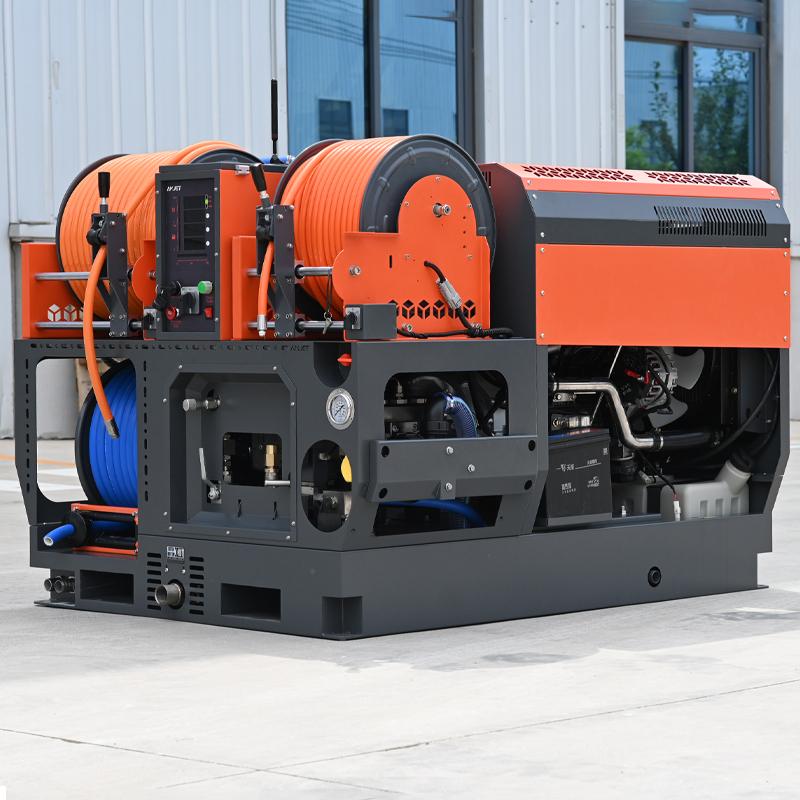
Most jetting machines choke on the very jobs they're built for. Feed them a line packed with hardened grease roots, mineral scale, or a stubborn blend of both, and you'll spend half the shift clearing blockages from the nozzles, filters, and pumps. The result is predictable: constant downtime, frustrated crews, and a machine that turns a two-hour service call into an all-day ordeal.
The difference comes down to how the system manages debris before it ever reaches the core components. Instead of relying on a single-stage filtration basket that clogs within minutes, the right design uses a staged separation approach. Large debris is trapped early, while finer scale and grease emulsification is handled downstream without starving the pump of flow. This keeps pressure steady at the nozzle, so you're actually cutting through roots and scale rather than just pushing water around them.
Real-world performance matters more than spec sheet claims. A machine that can run a full day on greasy municipal lines without a single filter change isn't a fluke—it's a sign that the hydraulic path, nozzle selection, and debris handling were engineered together. The goal isn't just to survive tough blockages; it's to finish the job, pack up, and move to the next site without the ritual of teardown and cleaning that eats into every profit margin.
Why Nozzle Choice Matters More Than Raw Pressure
Walk into any hardware store and you'll see pressure washers advertised by PSI. But the truth is, a machine's raw pressure rating tells you almost nothing about how well it will clean. The nozzle at the end of the wand is where the real work happens. Pick the wrong tip, and even a 4000 PSI unit will just splash water around without lifting dirt. Pick the right one, and a modest 2000 PSI machine can strip years of grime off concrete.
A narrow zero-degree nozzle can etch concrete at 1500 PSI, while a wide fan tip at the same pressure barely removes dust. That's because impact force depends on how concentrated the water stream is. Tighten the angle, and you multiply the pounds of force hitting each square inch—no extra pump power required. In many cases, dropping from 3000 PSI to 2000 PSI but switching to a turbo nozzle or a properly sized orifice gets the job done faster and with less risk of surface damage.
So before you upgrade to a bigger machine, try changing the tip. A 25-degree green nozzle handles most siding and decks, while a 15-degree yellow tip cuts through grime on concrete. The right choice clears dirt without stripping paint or gouging wood—something raw pressure alone can't guarantee.
The Hidden Costs of Choosing the Wrong Equipment Partner
The initial quote rarely reflects the real expense. When equipment from a mismatched partner fails on a production line, you're not just paying for a replacement part—you're covering overtime wages, missed delivery deadlines, and the overtime needed to rework orders. Those costs never show up on the invoice, but they hit your P&L within weeks. Many companies discover too late that the cheaper upfront price came with thinner service coverage and longer lead times for critical spares.
There's also the quiet drain of retraining and workarounds. A partner that doesn't understand your operating environment forces your team to build custom fixes, maintain redundant inventory, or spend hours translating specs across incompatible systems. Over three years, that friction compounds into a full-time employee's worth of lost output. The wrong partner doesn't just cost you money—it costs you the agility to respond when a major client suddenly doubles their order.
Field Tested Maintenance Routines That Keep Your Crew Moving
After the third hydraulic hose blew on a Tuesday, we stopped treating maintenance like a calendar chore. Now the crew walks the line at shift change with a five-minute visual sweep: fittings, belts, filters, and any new leak that wasn't there yesterday. It sounds basic, but catching a frayed belt before the afternoon heat saves more downtime than any software dashboard we've tried.
Midweek, we pull one machine at random and run it hot while watching the gauges and listening for changes in pitch. Nobody logs hours for that, but the operator who finds something gets first pick on the next rotation. That small incentive flipped maintenance from a supervisor's checklist into something the whole crew actually pays attention to.
Questions That Reveal Whether a Supplier Understands Drain Work
A surprising number of suppliers claim drain expertise until you ask them how they'd handle a blocked stormwater line under a slab with no cleanout access. The ones who actually know their trade will start talking about camera inspection, locating the blockage, and whether hydro jetting or a sectional repair makes more sense. They won't just say "we'll snake it" and hope for the best. You want to hear questions about pipe material, age, and previous repairs before they even suggest a price.
Ask what happens when a drain keeps backing up after two attempts. A supplier who understands drain work will mention checking for bellied pipe, root intrusion at joints, or a collapsed section rather than blaming the customer's habits. They should also be able to explain the difference between clearing a blockage and fixing the condition that caused it. If they can't walk you through how they'd verify slope with a level or inspect the line with a push camera, they probably don't do much drain work beyond simple clogs.
Another revealing question is about compliance and disposal. Proper drain contractors know what can legally go into a municipal system, how to handle grease or sediment, and when a permit is required for repairs. They won't hesitate to say they need to mark utilities before digging or that a trenchless repair might avoid tearing up your driveway. Detail matters here: the best suppliers can explain their process in plain English without oversimplifying the actual work.
FAQ
Look beyond the sales pitch and check how openly they discuss pump rebuild intervals, hose burst ratings, and nozzle compatibility. A solid supplier will ask about your typical pipe sizes and blockage types before suggesting anything, and they should be able to supply parts like O-rings and filters without long lead times.
Raw power can turn a routine grease clog into a cracked clay pipe if you are not careful. Adjustable pressure lets you start low on fragile lines and crank up only when you hit tree roots or hardened scale. It also reduces water waste and pump wear, which matters if you run the unit daily.
Check the oil level and inlet filter before every job, and flush the pump with clean water after each use. Replace hydraulic oil and high-pressure hoses every 300 to 500 hours depending on the manual. If you hear knocking or see pressure drop during operation, stop and inspect the unloader valve and nozzle tips right away.
Yes, if the unit has a wide flow range and quick-change nozzle system. For residential work you want around 2 to 4 gallons per minute at moderate pressure, while municipal mains often need 18 gallons per minute or more to move debris downstream. A machine with a variable displacement pump and a reel that accepts different hose diameters can cover both ends.
At minimum, look for a thermal relief valve, a burst disc on the pressure side, and a foot pedal or deadman switch that shuts the pump off instantly. The frame should have vibration dampening and a guard around the belt drive. If the supplier cannot show you where these are located on the machine, walk away.
Ask about the frame coating, bearing seals, and whether the control panel is rated for wet environments. A machine meant for real work will have a powder-coated or galvanized frame, stainless steel fittings on the pressure side, and a hose reel that locks without plastic tabs. If the supplier mentions testing in freezing temperatures or dusty job sites, that is a good sign.
You want a supplier who keeps common wear items in stock locally, not one who ships everything from overseas. Ask how quickly they can send a replacement pump seal or nozzle, and whether they offer phone support with someone who has actually used the equipment. A good supplier will also provide a clear warranty that covers the pump and engine separately.
Absolutely. Standard nozzles are sized for average jobs, but custom sets let you match spray angle and orifice size to your exact pipe diameter and blockage type. For example, a floor-cleaning nozzle with a wider spray pattern reduces splashback in shallow lines, while a penetrating nozzle with a forward jet clears solid grease plugs faster. Custom sets also reduce trial and error on the job site.
Conclusion
Finding a dependable sewer cleaning jetting machine supplier isn't about the loudest claims or the shiniest brochure. You have to read past the sales pitch and look for evidence that the equipment can handle grease, roots, and scale without constant breakdowns. The best suppliers don't just sell you a pump and a hose—they help you understand that nozzle choice often matters more than raw pressure. A well-matched nozzle can clear a line faster and with less water than a bigger machine wearing the wrong tip, and that directly affects how long your crew stays productive.
The hidden costs of choosing the wrong equipment partner show up later in downtime, hard-to-find parts, and generic advice that doesn't fit real drain work. A supplier that truly understands the trade will share field-tested maintenance routines—simple things like flushing the system after each job, checking O-rings before they fail, and storing hoses straight—that keep your crew moving instead of waiting on repairs. Before you commit, ask questions that reveal whether the supplier knows the difference between a root clog and a grease plug, or between a penetrating nozzle and a flushing nozzle. If they stumble or give you a one-size-fits-all answer, keep looking. The right partner doesn't just ship a machine; they help you match pressure, flow, and nozzle to the actual job, and they stand behind the equipment when something goes wrong. Reliable drain maintenance starts with a supplier that respects the work as much as you do, not one that disappears after the invoice clears.
Contact Us
Contact Person: Mike
Email: [email protected]
Tel/WhatsApp: +86 19545555505
Website: https://www.amjeting.com/