

Top Caravan Picks for Your Next Adventure
2026-10-06
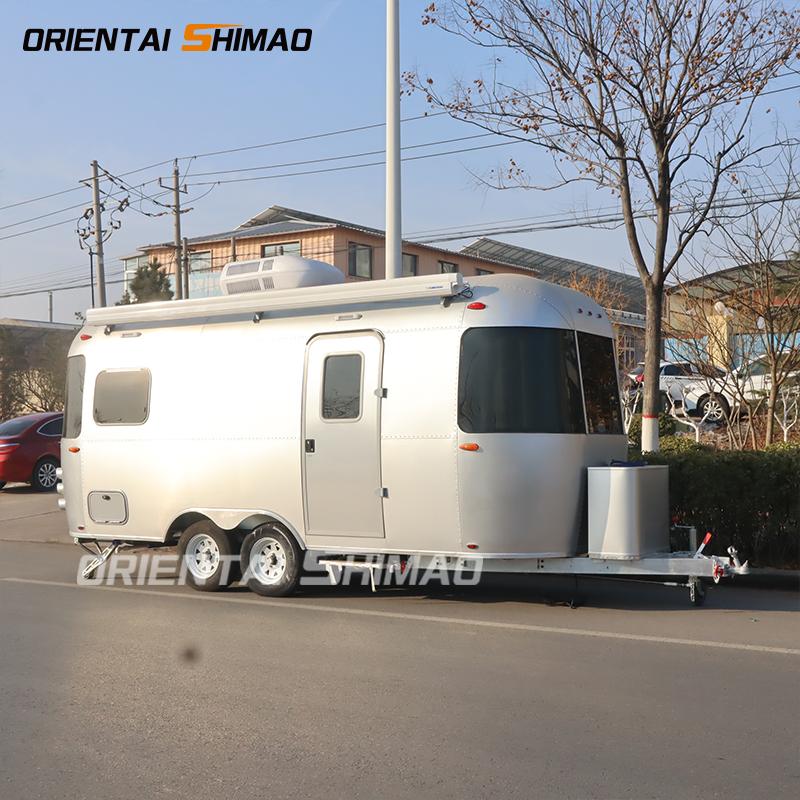
When the open road calls, your caravan becomes more than just a vehicle—it’s your passport to freedom. But let’s be honest: the wrong setup can turn a dream trip into a cramped, chaotic mess. Whether you’re a weekend wanderer or a full-time nomad, choosing the right caravan features makes all the difference between just getting by and truly thriving on the road. That’s why we’ve rounded up the top caravan picks that blend comfort, practicality, and a touch of adventure-ready spirit. And for those who crave a unique culinary twist on their travels, Oriental Shimao has redefined what mobile living can taste like. Ready to upgrade your next journey? Let’s dive in.
Featherweight Teardrops That Won't Slow You Down
Most teardrop trailers feel like dragging a small house, but these featherweight builds change the math. By stripping away every ounce of unnecessary material and using aircraft-grade aluminum skins over foam cores, the total dry weight often stays under 700 pounds. That means a Subaru Outback or even a well-equipped hatchback can pull one without breaking a sweat.
On the highway, the aerodynamic curve does the heavy lifting. You won't be fighting crosswinds or watching your fuel gauge drop like a rock. Instead, you get a quiet, stable tow that sits low behind the rear window and barely registers in the mirrors. Mountain passes become something you look forward to, not dread.
Inside, the layout is intentionally spare but not spartan. A memory-foam mattress, a couple of reading lights, and ventilated side windows cover the essentials. You're not hauling a kitchen sink, so setup takes five minutes, and the reduced tongue weight keeps your driveway friendly. It's enough to make weekend getaways feel spontaneous again.
Family-Friendly Layouts With Room to Spare
A floor plan that actually works for daily family life doesn't just add square footage—it puts that space where it matters most. Instead of a formal living room that sits empty, these layouts favor a wide-open hub where the kitchen, dining area, and family room share one continuous sightline. That means a parent can chop vegetables while keeping an eye on toddlers building block towers, and older kids can spread out homework on the island without disappearing into a distant bedroom. The result feels less like a show home and more like a house that bends around your routines.
What sets a genuinely family-friendly design apart is the quiet practicality of the spare spaces. A pocket office tucked under the stairs becomes a calm spot for video calls, while a flex room off the entryway shifts easily from playroom to guest room as the kids grow. Wide hallways, deep closets, and a dedicated drop zone for backpacks and shoes keep the daily clutter from taking over. When every square foot has a job, you don't need a mansion—you just need a layout that respects the way your family actually lives.
Off-Road Models Built for Bumpy Trails
When the pavement ends and the ground turns rough, a proper off-road model makes all the difference. These rigs are built with long-travel suspension systems, chunky all-terrain tires, and reinforced underbody armor so you can take on rutted tracks and rocky climbs without second-guessing every dip. Instead of wondering whether the trail is passable, you start looking for the next challenge.
Take the Jeep Wrangler Rubicon, for instance. Its solid front and rear axles, electronic sway-bar disconnect, and aggressive approach and departure angles let it crawl over obstacles that would leave most crossovers stranded. The Toyota Land Cruiser 70 Series, still sold in many markets, brings a different flavor: simple mechanical toughness, a torquey diesel, and a reputation for surviving decades of abuse on mine sites and outback tracks. Meanwhile, the Ford Bronco Sasquatch package adds front and rear locking differentials and 35-inch mud-terrain tires straight from the factory, making it a turnkey trail machine.
When comparing these machines, skip the marketing fluff and check the numbers that matter: ground clearance, wheel travel, low-range gearing, and whether the differentials actually lock. A short-wheelbase Suzuki Jimny might outmaneuver a full-size pickup on tight forest switchbacks, while a Ram Power Wagon with a disconnecting front sway bar and a 12,000-pound winch pulls ahead for overland hauling. The best off-road build is the one that matches how you actually drive—not the one with the most badges on the fender.
Compact Campers That Feel Surprisingly Spacious
Step inside a compact camper and the first surprise is how the ceiling seems to lift away from you. Designers use clever tricks like raised roofs, skylights that stretch from front to back, and side panels that unfold into bay windows. Even a six-foot-tall person can stand up straight in the kitchen area, which feels like a small miracle when the whole unit is barely wider than a parking space.
The magic continues with furniture that refuses to stay still. A dinette folds into a bed, a bench hides a pull-out desk, and the bathroom door doubles as a closet mirror. Storage hides in the floor, behind the driver's seat, and above the wheel wells. Every cubic inch has a purpose, yet nothing feels cramped because the layout keeps the central aisle open and the color palette light.
What really sells the spacious feel is the connection to the outdoors. Wide rear doors open to create a porch-like entry, and the main window wraps around the corner so you can watch the rain from your bed. At night, LED strips glow under the cabinets, making the interior feel deeper than it is. Compact? Yes. But surprisingly spacious enough to live in, not just sleep in.
Retro-Style Interiors With Modern Conveniences
There’s a particular joy in sitting on a 1960s teak chair while your phone charges on a wireless pad built into the matching side table. Retro-style interiors today aren’t about forsaking comfort for looks. Instead, they pair sculptural furniture, warm wood tones, and playful wallpaper with hidden innovations like induction cooktops under enameled metal hoods, smart lighting tucked behind period sconces, and climate controls masked as vintage thermostats.
The trick is to keep the visible layer convincingly old. Think terrazzo floors warmed by radiant heating, a wall of walnut cabinetry that opens to reveal a touchscreen refrigerator, or a rotary phone that doubles as a Bluetooth speaker. Baseboards can hide wiring for surround sound, while USB ports sit inside vintage desk drawers. Modern conveniences work best when they disappear into the room’s original rhythm, not when they shout over it.
Pulling this off often requires some structural finesse. Older homes may need upgraded electrical panels to handle heat pumps or induction ranges, and original windows can be retrofitted with low-e glass so the arches and muntins stay intact. Done well, the result feels effortless: a room that honors its past but never asks you to live without the things that make daily life easier.
Solar-Ready Setups for Weeks Away From the Grid
Packing for a multi-week stint beyond the last power pole changes how you think about solar. A setup that keeps a phone and headlamp alive for a weekend won't survive Tuesday of week two if you're also running a fridge, camera batteries, or a small water pump. Start with the load math that nobody enjoys: multiply each device's watt-hours by days of autonomy, then add a 30 percent buffer for cloudy stretches and inverter losses. From there, a 200-watt folding panel paired with a 100Ah lithium battery is a realistic minimum for solo trips with modest electronics; add a second panel and a DC-DC charger if you plan to move camp by vehicle and top up while driving.
The real trick isn't just more wattage—it's building forgiveness into the system. Tilt mounts or a simple kickstand let you chase low-angle morning and late-afternoon sun instead of flattening panels on a roof rack and hoping. Keep the charge controller close to the battery, use 10-gauge wire for runs over ten feet, and test the whole chain at home with the exact devices you'll carry. A hardwired shunt display beats guessing from a blinking LED: you want to see amps in and out, not a vague green light. And pack a small multimeter plus a handful of MC4 connectors; field repairs are easier than a warranty claim when you're six days from the trailhead.
Plan your energy budget like a menu, not a spreadsheet. Run the heavy loads—laptop, drone charger, electric kettle—during peak solar hours, then switch to reading lights and a fan after dark. If you can move the fridge to a shaded spot and pre-chill it while driving, you've already bought back a chunk of battery. For multi-week bases, a second battery in parallel plus a portable 100-watt panel as a roaming sun catcher gives you the flexibility to chase clearings without tearing down the main array. Last, accept that every off-grid setup has a personality: learn its quirks in your backyard before you trust it with your coffee.
FAQ
Ground clearance matters more than most people think, especially if you're tackling rocky trails. Check the suspension type—independent setups handle bumps far better than solid axles. Also look at the underbody protection, water tank placement, and whether the plumbing and wiring are tucked high enough to avoid scraping.
A fixed bed is a game changer—nobody wants to convert a dinette every night after a long drive. Look for a layout with the bed at the rear and a compact kitchen along one side, so you're not constantly stepping around each other. Extra wardrobe space beats extra seating on trips over two weeks.
Insulation is only part of it; air circulation matters just as much. Roof vents with built-in fans help pull hot air out in summer, while thermal curtains or fitted window covers reduce heat loss in winter. For cold nights, a diesel heater sips fuel and keeps the whole space warm without condensation buildup.
Lighter units are easier on your tow vehicle and less likely to bog down in sand or mud, but don't sacrifice strength for weight. Look for composite panels or aluminum frames rather than thin plywood. A slightly heavier caravan with better construction will survive corrugated roads long after an ultralight starts falling apart.
A decent external light near the door saves you from fumbling with keys at night. Multiple USB and 12V outlets in the right spots mean you're not unplugging the kettle to charge a phone. And a slide-out pantry drawer beats deep cupboards—you can actually see what food you have without unpacking everything.
If you plan to move every day or two, a motorhome is less hassle because you're not hitching and unhitching constantly. But if you like setting up a base camp and exploring nearby areas with your vehicle, a towable caravan gives you that freedom. Think about fuel costs too—motorhomes drink more even when parked.
Around 14 to 16 feet overall is the sweet spot for one person. You get a real bed, a small kitchen, and maybe a compact bathroom without needing a huge tow rig. Anything bigger feels like wasted weight, and anything smaller often lacks standing room or storage for longer trips.
Inspect the chassis and suspension bolts for cracks or rust, especially around the hitch and axle mounts. Test the brakes and wheel bearings—overheating a bearing in the middle of nowhere is a trip-ender. Also check the water system for leaks and sanitize the tank, because getting sick from bad water is the last thing you need on an adventure.
Conclusion
Planning your next caravan adventure starts with choosing a rig that matches how you actually travel. For those who value efficiency on the road, featherweight teardrops deliver big without dragging down fuel economy—they're easy to tow with a smaller vehicle and set up in minutes. Families, on the other hand, need layouts that don't just fit everyone but give each person breathing room. Look for bunks, convertible dinettes, and thoughtful storage so nobody's tripping over gear. If your idea of adventure includes rough backroads, off-road models with lifted suspension and reinforced chassis handle bumpy trails without rattling your nerves. Inside, clever space-saving designs make compact campers feel surprisingly spacious—think raised roofs, murphy beds, and multi-use furniture that disappear when not needed.
Style matters too, and retro-inspired interiors with modern conveniences blend old-school charm with reliable appliances, USB ports, and comfortable mattresses. But the real game-changer for longer trips is a solar-ready setup. Built-in panels, lithium battery compatibility, and smart energy monitors let you camp for weeks away from the grid without constantly hunting for powered sites. Instead of endless compromises, the best caravan ticks several boxes at once: light enough to tow comfortably, roomy enough to unwind in, rugged enough for detours, and self-sufficient enough to keep the adventure going. Whether you're a weekend wanderer or a full-time nomad, a well-matched caravan turns every stop into a home base worth lingering in.
Contact Us
Contact Person: Jack Wang
Email: [email protected]
Tel/WhatsApp: 8618306483516
Website: https://www.orientalshimaofoodtruck.com