

OEM Concentrated Laundry Pods Are a Smart Choice for Growing Brands
2026-10-18
As the private-label laundry segment heats up, growing brands are hunting for one thing above all: a manufacturing edge that lets them deliver premium performance without overextending margins. OEM concentrated laundry pods are quickly becoming that edge—compact, cost-efficient, and endlessly customizable. Yet not every OEM partner is built to help an emerging brand actually scale. That’s where LANJIEYA enters the picture, blending production precision with the kind of flexibility fast-moving labels need. Here’s why concentrated pods deserve a place in your lineup, and how the right OEM partner can turn a smart product into a serious growth lever.
The Case for Concentrated Pods Over Liquid for Your First Run
Starting with concentrated pods removes a whole layer of guesswork that liquids quietly demand. You don’t have to eyeball a pour, second-guess viscosity, or wonder if your measuring cup is lying to you. The pod is pre-measured, sealed, and consistent—so your first run becomes about learning the machine’s rhythm instead of fighting your own pouring hand. For a beginner, that’s the difference between a clean baseline and a muddy variable you can’t quite name.
Liquid concentrates often look forgiving, but they punish hesitation. Tip too fast and you flood the chamber; too slow and you starve it. A pod sidesteps that entirely. You drop it in, close the lid, and the same amount of material hits the same spot every single time. That repeatability is what lets you actually taste what the machine is doing—not what your wrist did differently at 7 a.m. versus 9 p.m.
There’s also a quieter benefit: less cleanup, fewer sticky rings on the counter, and no half-empty bottle glaring at you from the shelf. Your first run should feel like a small win, not a chemistry experiment. Pods give you that. You learn the machine’s personality first, then later—if you want—you can graduate to the fussier stuff with real confidence.
Bespoke Scents and Colors Without the Big Brand Waitlist
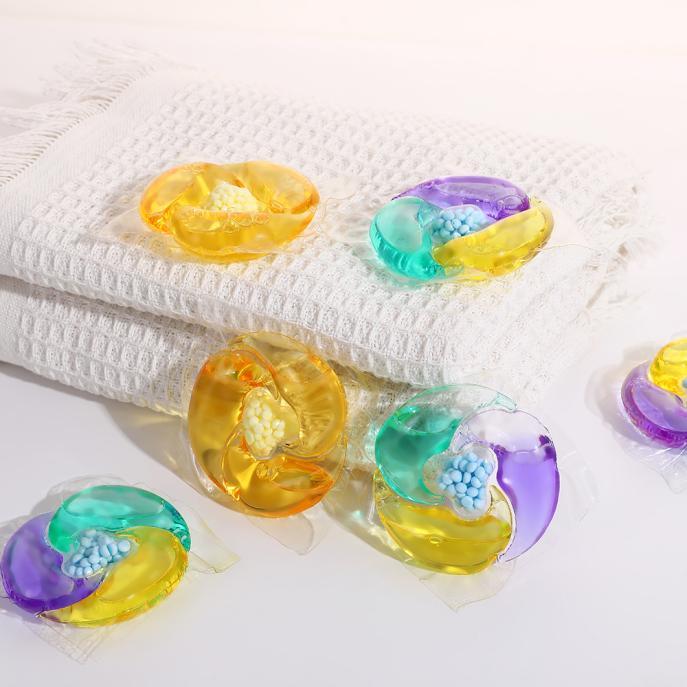
Most niche perfumers and custom color studios still operate on a calendar that feels like a relic. You send an inquiry, wait two weeks for a reply, then settle into a months-long queue before anyone even starts blending or tinting. The wait becomes part of the price — and not in a charming, small-batch kind of way.
We do it differently. You pick your base notes and accent hues on a Tuesday, and by Friday the parcel is on your doorstep. No seasonal drop windows, no "limited slots" theater, no paying extra to skip a line that shouldn't exist. The formulas are just as precise as the heritage houses, but the turnaround matches how you actually live.
Think of it as made-to-order without the made-to-wait. Every batch is still weighed, rested, and checked by hand. The difference is we treat your time as a raw material too — and it deserves the same care as any citrus top note or cerulean pigment.
Small-Batch Production That Lets You Pivot Fast
Small-batch production reads less like a limitation and more like a deliberate choice. When you commit to hundreds of thousands of units upfront, you are also committing to a single version of your product—often before customers have had a say. Shorter runs keep the door open for changes without forcing you to eat the cost of unsold inventory.
Think of a skincare brand testing three new serums. Instead of filling a warehouse with one guess, the team can produce a few hundred units of each, place them in two or three retail locations, and watch what actually moves. Within a fortnight, the best performer gets scaled, while the other two are quietly dropped. That kind of feedback loop is impossible when every production cycle locks you into six months of stock.
The trade-off is real: unit costs may be higher, and finding suppliers willing to accept low minimum orders takes work. But for brands in fashion, food, beauty, or hardware, that premium buys something more valuable—freedom. When a trend shifts or a component becomes hard to source, you can adjust the next run without dragging last season's mistakes behind you.
Cutting Freight Costs Without Watering Down Your Product
Shipping expenses can quietly eat into margins, but slashing them doesn't have to mean compromising what your customers receive. One of the most effective levers is packaging optimization. By rightsizing boxes and replacing heavy filler with lightweight, protective alternatives, you reduce both dimensional weight charges and material waste. The product itself remains untouched—it simply travels in a smarter envelope.
Carrier contracts are another area where meaningful savings hide in plain sight. Instead of accepting published rates, negotiate based on your actual shipping profile: volume, lane distribution, and delivery timeframes. Many businesses overlook the value of diversifying carriers or using regional services for shorter hauls. A periodic audit of invoices can also uncover surcharges or incorrect classifications that, once corrected, lower costs without changing how your product is handled.
Finally, think beyond the warehouse dock. Consolidating orders into fewer, fuller shipments and shifting to ground or intermodal transport for non-urgent deliveries can dramatically cut freight spend. When customers still receive their goods intact and on schedule, the only thing that changes is the line item on your P&L—not the quality of your offering.
Packaging That Tells Your Brand Story Before the First Wash
The moment you hold the box, before opening a single seam, the story has already started. The paper stock carries a soft, almost fabric-like grain under your fingertips, and the muted earth tones with a single hand-drawn line speak quieter than any bold logo could. It's not shouting for attention on the shelf—it's waiting for someone who notices the small details.
Inside, the unfolding is meant to slow you down. A fold-out panel shows a field at dawn, printed in a way that feels more like a letterpress sketch than a mass-produced insert. There's a line of handwritten text on the tissue paper, just visible through the translucent wrap, promising something made for daily rituals rather than quick fixes. By the time you reach the garment, you already know where it came from and why it exists.
That's the trick of packaging that works as a prelude: it doesn't compete with the product, it builds anticipation for it. The first wash might soften the fabric and fade the factory folds, but the imagery and words from the box stay in the back of your mind like a remembered conversation. And when you reach for that piece again next week, some part of you still sees that dawn field and the handwritten note—long after the packaging is gone.
From Idea to Shelf-Ready Pods in Under a Quarter
Most brands spend months bouncing between concept sketches, prototype labs, and packaging suppliers. We collapse that timeline. Within a single quarter, your napkin sketch or late-night voice memo becomes a finished pod sitting on a retail shelf — espresso extracted, label printed, barcode scannable. The trick isn't rushing; it's removing the usual friction points. Our in-house formulation team runs parallel tracks for flavor locking, pod compatibility, and seal integrity, so you're not waiting on three different vendors to align their calendars.
Speed matters, but only if the product actually holds up. That's why every pod gets pushed through real machine testing — from budget single-serve brewers to high-end café systems — before we sign off on the final batch. You get shelf-ready units that pour consistently, not just a pretty prototype that leaks on day two. And because we handle the unglamorous stuff like nitrogen flushing and moisture-barrier film selection, you're free to focus on the story you want your coffee to tell.
The real differentiator isn't a magic machine or a proprietary shortcut. It's that we've already made the mistakes most newcomers hit in month five. By the time you're approving final proofs, your competitors are still debating whether to use recyclable or compostable rings. Under a quarter means exactly that: twelve weeks, one launch date, zero excuses.
FAQ
They let you skip the heavy lifting of building a production line from scratch while still offering a product that feels premium. Concentrated pods are compact, so you spend less on warehousing and freight, which matters when margins are tight.
Focus on scent and skin sensitivity. A distinctive fragrance or a truly gentle formula gives customers a reason to pick your pod over the big-name options. You can also play with pod shape and water-soluble film colors to make the product memorable on the shelf.
Concentrated pods reduce water weight and bulk, so every shipment carries more usable washes. That means lower per-unit transport costs and less space taken up in a stockroom. Customers also appreciate the no-mess dosing and the fact that a small pod handles a full load.
Look for a partner who is willing to run small-batch trials and adjust formulas without demanding huge minimums. Ask about their film compatibility, leak testing, and how they handle seasonal humidity. A responsive technical team matters more than a glossy catalog.
Since the water is largely removed from the formula, a pallet of pods holds far more wash loads than the equivalent in liquid bottles. That lowers freight bills per unit and lets you store more inventory in the same square footage, which is a quiet but real advantage for a growing brand.
Yes, if you work with the right OEM. Many manufacturers offer pre-formulated bases that you can tweak with your own fragrance, enzyme package, or color scheme. That keeps tooling costs down while still giving you a product that feels like your own.
They often chase too many fragrance options at once, which scatters inventory and confuses buyers. Another mistake is ignoring the film's dissolution rate in cold water—if pods don't dissolve fully, you will get returns and bad reviews that hurt more than a slow launch would.
Conclusion
For a young brand, launching with a traditional liquid detergent usually means paying to ship mostly water, tying up cash in large minimum orders, and hoping the fragrance you picked on a spreadsheet resonates with actual buyers. Concentrated OEM laundry pods change that equation from day one. You get a compact product that costs far less to move, yet still lets you choose a bespoke scent and color—no need to wait in line behind a major brand's production schedule. Small-batch runs become a testing ground: try a fresh citrus or a warm sandalwood in one region, read the sales data, and adjust the next batch without being stuck with a warehouse full of unsold liquid.
That flexibility extends to logistics and branding. Because the pods are concentrated, you aren't paying freight on water, which keeps margins healthier even on modest volumes. The packaging can be designed to carry your story from the shelf to the laundry room, using texture, typography, and color to make the first impression before the pod ever dissolves. And the timeline is strikingly short—what starts as an idea can be shelf-ready in under a quarter. For a growing brand that needs to conserve cash, respond to feedback, and build recognition quickly, OEM concentrated pods offer a practical edge that liquid simply can't match.
Contact Us
Contact Person: Zhao Yanlong
Email: [email protected]
Tel/WhatsApp: 8615832007309
Website: https://www.gzlanjieya.com