

ODM Wardrobe Rail Solutions for a Custom Closet Upgrade
2026-09-21
A wardrobe upgrade often starts with the small details, and the rail is where function meets form. If you're planning a custom closet, choosing the right ODM wardrobe rail solutions can make all the difference between a cluttered space and one that works effortlessly. Peak Fasten brings precision-engineered options that don't just hold your clothes—they elevate the entire storage experience. Here's what to look for before you commit.
Why Standard Wardrobe Rails Fall Short in Custom Closets
Most standard rails come in predetermined lengths and mounting hole positions that assume a uniform closet shell. Custom closets rarely follow those constraints—you might have a sloped ceiling, a return wall that eats into depth, or a banking of drawers that changes the install plane. Forcing a fixed-length rail into that geometry usually means one of two outcomes: you cut the rail and lose the factory end caps, or you shim the sockets and create a slight but permanent sag under load. Neither feels like a tailored solution.
Then there is the material and finish issue. Off-the-shelf rails are typically thin-wall steel or aluminum with a basic chrome or powder coat that starts showing wear after a few seasons. Heavy coats, multiple suits, or even a dense row of hangers can cause visible deflection in the middle span. In a custom closet you are already investing in better panels, lighting, and hardware, so a rail that flexes or rattles every time you slide a hanger becomes the weak point you notice daily.
The deeper problem is compatibility. Custom storage often calls for add-ons like cedar blocks, valet rods, or integrated lighting channels that clip onto the rail or need specific end brackets. Standard rails rarely have the right profile or mounting tolerance for those accessories, so you end up improvising with zip ties or leaving the feature out altogether. A proper custom rail system is designed around those connections from the start, which is why trying to save money on the rail usually costs more in lost function.
Measuring for Custom Rail Lengths Without the Guesswork
Getting the right custom rail length starts with a simple rule: measure the actual mounting points, not the old rail. If you're replacing an existing rail, don't assume it was cut correctly in the first place. Use a steel tape measure and record the center-to-center distance between the brackets or posts, taking three separate measurements—left, middle, and right—to account for walls that aren't perfectly straight.
Once you have the numbers, add the necessary overlap or end cap allowance based on your hardware. For drapery rods, that usually means extending 2 to 4 inches past the window frame on each side. For handrails or grab bars, fit the rail between the wall returns and subtract any brackets' thickness. And always round down to the nearest eighth of an inch if you're between marks—it's easier to shim a tiny gap than to force an overlong rail into place.
Load Ratings That Match Real Wardrobe Weight
A clothing rail that sags after three weeks is usually a sign that the published load rating was ignored in favor of eyeballing the wardrobe. Winter layers and denim are the usual culprits: a single heavy coat can weigh close to 2 kg, and a stack of folded jeans easily passes 5 kg. If you replace lightweight summer items with boots, hoodies, and structured jackets, the total mass changes faster than the number of hangers suggests.
Start by weighing a few filled storage bins or a laundry basket of clothes, then add 10–15% for hangers, shoe boxes, and the occasional handbag you toss on the rail. Compare that number against the static load rating, not the maximum dynamic rating meant for moving parts. When the measured total is within 80–90% of the listed limit, you are in the safe zone; anything higher means splitting the load across two rails or moving to thicker-gauge steel.
Bracket Designs That Hold Tight Without Showing Off
A bracket that does its job quietly rarely gets a second glance, and that's exactly the point. The best low-profile designs sink into the surrounding structure, using recessed mounting points and slim profiles that tuck behind shelves or inside cabinetry. They don't rely on decorative flourishes; instead, clean lines and a matte or brushed finish let them disappear.
Strength comes from material choice and geometry rather than bulk. Cold-rolled steel or extruded aluminum brackets can handle surprising loads when the gusset is shaped to spread stress evenly. Hidden fasteners and countersunk screws keep the surface flush, so nothing snags clothing or catches the eye.
In living spaces, understated brackets suit open shelving and floating desks without turning hardware into a focal point. A well-chosen bracket should feel like part of the wall, not an add-on. That means matching the wall tone or using a tone-on-tone finish, and placing fasteners where they'll be covered by the shelf itself.
Finishes That Survive Humidity, Scratches, and Moves
High-gloss lacquers and conversion varnishes often fail fast in busy kitchens or bathrooms, but a moisture-cured urethane holds up differently. It forms a film that flexes just enough when cabinet doors swell and shrink with seasonal humidity, so you don't get the usual crack lines along the joints. Scratches from keys or pet claws tend to stay shallow because the surface resists abrasion instead of letting the mark bite into the wood below.
For surfaces that get dragged, bumped, or slid across constantly, powder-coated metal and thermally fused laminate are worth a second look. Powder coating isn't just for patio frames anymore; it wraps edges and corners in a thick, even skin that shrugs off wet towels and sliding storage bins. Thermally fused laminate, on the other hand, fuses the decorative layer to the core under heat and pressure, so there's no edge banding to peel when humidity spikes in a laundry room or mudroom.
If you're dealing with solid wood that has to move, skip brittle two-part epoxies and look for finishes labeled as penetrating oil or hardwax oil. These soak into the fibers rather than sitting on top, letting the wood breathe and shift naturally. They're easy to touch up with a quick reapplication, and the matte look hides minor scuffs that would glare on a glossy polyurethane.
Factory-Direct Small Batch Orders for Odd Closet Sizes
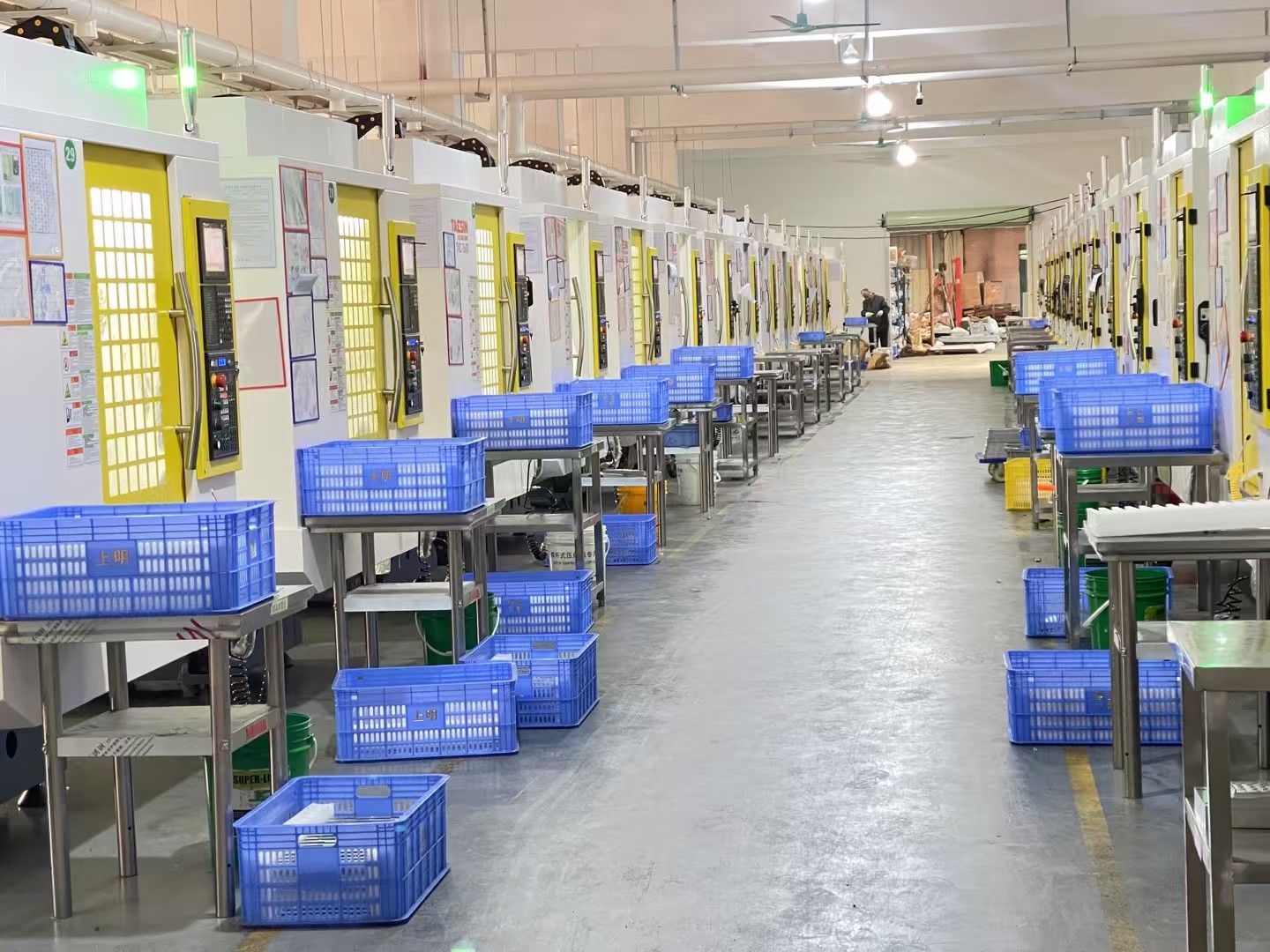
Standard closet systems assume your walls are predictable—but most homes have at least one odd corner, sloped ceiling, or shallow recess that off-the-shelf units simply ignore. Instead of forcing a standard shelf into a space it was never designed for, you can order small batches directly from the factory floor. There’s no warehouse markup and no minimum order pushing you to buy more than you need, just pieces cut to fit the exact dimensions of your awkward closet.
Because the order goes straight to production, you’re not limited to a fixed list of sizes. Narrow returns, extra-deep shelves, a cabinet that needs to clear a slanted eave—these are handled as routine adjustments rather than expensive custom requests. Small batches mean you can test a single unit in one closet before committing to a full house of matching storage, which is especially useful for older homes where no two closets measure the same.
Factory-direct also shortens the chain between your measurements and the cutting table. You send the dimensions, the shop adjusts the run, and the finished pieces ship without sitting in a showroom or passing through a distributor. The result is a tighter fit, fewer wasted materials, and a price that reflects the actual work—not the premium typically attached to odd sizes.
FAQ
Each rail is cut to your closet's exact width and angle, so you're not limited to a few preset lengths or forced to splice sections together. The end caps are shaped to sit flush against uneven walls, and the internal reinforcement keeps the profile slim without flexing under load.
Yes, those are exactly the situations where standard rails fail. Send over the measurements from your space and the rails are machined to match the exact slope or corner radius, with adjustable mounting brackets that compensate for minor wall irregularities.
A standard 1.2-meter section is rated for 35 kg of evenly distributed garments, and the rating increases when you use the reinforced version with a steel core. The brackets are spaced to prevent any visible dip even when the rail is fully loaded with winter coats.
No, the surface is either hard-anodized or powder-coated with a satin texture that feels smooth to the touch. There are no sharp edges or weld seams on the contact area, so silk and cashmere glide across without catching.
Most people handle it in under an hour with just a drill and a level. The kit comes with a full-size paper template, hidden snap-on brackets, and pre-drilled holes that line up with standard stud spacing, so there's no guesswork about alignment.
You can choose from matte black, brushed nickel, warm brass, or a soft champagne tone. Each finish is applied after cutting and bending, so the end caps and any custom bends match the rail perfectly instead of looking like an afterthought.
Yes, the rail profile has a T-slot channel on the underside that accepts hanging hooks, shelf brackets, and small wire baskets. That means you can start with just the rail and add accessories later without drilling new holes in the wall.
The aluminum base is naturally corrosion-resistant, and the coating is sealed at both ends to keep moisture out. Users in coastal areas have reported zero pitting or discoloration after several years, even with daily steam exposure from adjacent showers.
Conclusion
Most off-the-shelf wardrobe rails are built for standardized closets, so they either come up short or leave awkward gaps when you're working with a custom layout. That's where ODM rail solutions change the game: instead of forcing you to cut and patch, these rails are made to your exact measurements from the start, removing all guesswork. The load ratings are also matched to what people actually store—heavy coats, suits, even stacked hangers—so you don't end up with a sagging bar after six months. It's a subtle upgrade, but one you notice every time you reach for something.
Bracket designs are kept low-profile and discreet, holding the rail firmly without becoming a visual distraction, which matters in a closet where clean lines make the space feel bigger. Finishes are chosen to handle real life—humidity in a bedroom, scratches from sliding hangers, even the occasional knock during a move—so the rail still looks sharp years later. For odd closet sizes or non-standard niches, factory-direct small batch orders mean you're not stuck buying a bulk pack from a big box store. It's a practical way to get a custom feel without the custom price tag, tailored to spaces that standard rails simply ignore.
Contact Us
Contact Person: Mason Lv
Email: [email protected]
Tel/WhatsApp: +86 13027998452
Website: https://www.peakfastentech.com