

Export Electric Enduro Bike Successfully A Practical Guide for Global Markets
2026-10-28
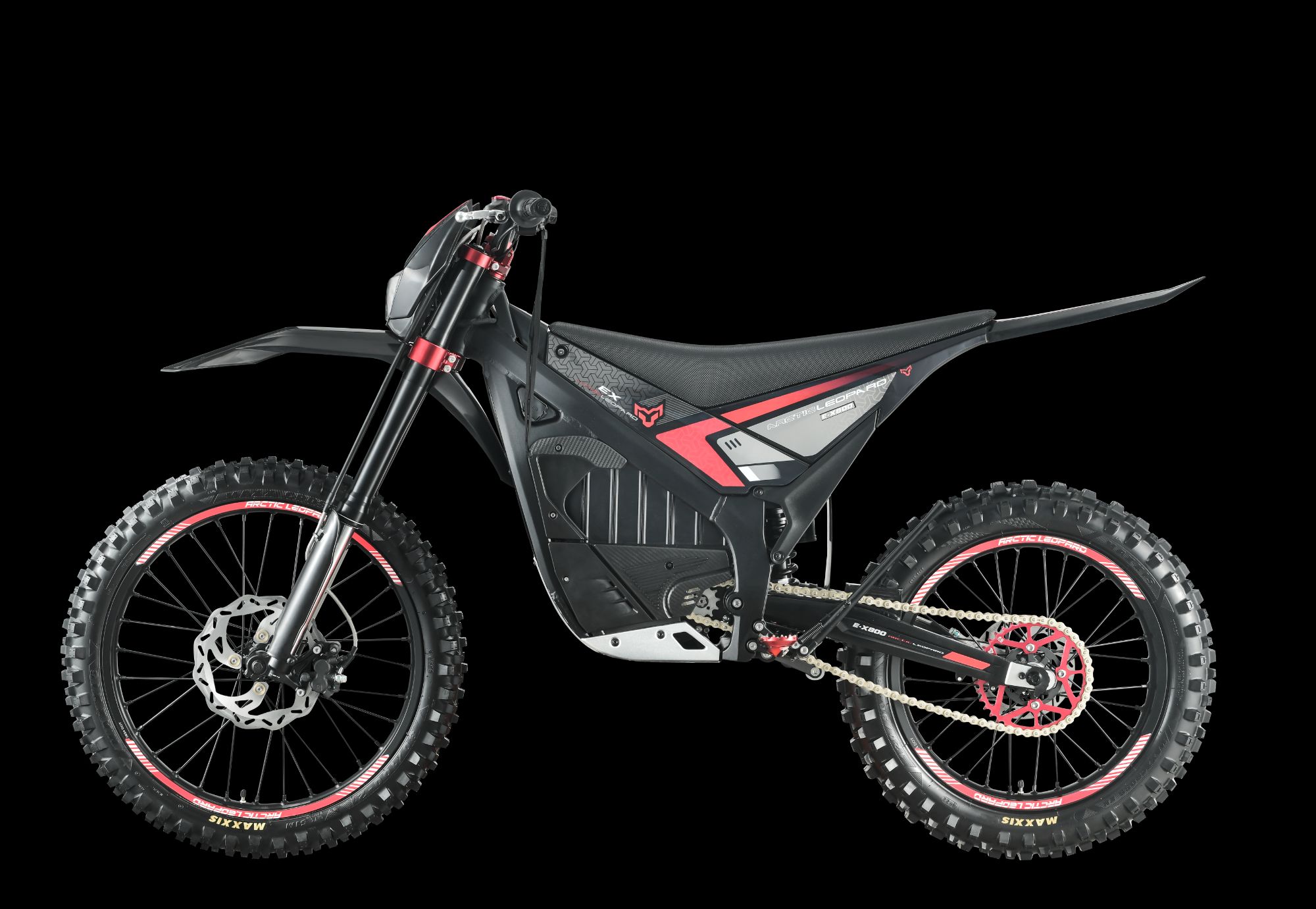
Electric enduro bikes are no longer a niche experiment—they're a global opportunity. But shipping your machines across borders isn't just about finding a freight forwarder. Tariff codes, homologation rules, regional voltage standards, and after-sales support can quietly eat your margins if you're not prepared. That's why this guide breaks down what actually matters when exporting to Europe, North America, Southeast Asia, and beyond. We'll skip the fluff and focus on practical steps: documentation, compliance, dealer networks, and positioning. Along the way, we'll look at how Arctic Leopard approaches these challenges—not as a perfect template, but as a real-world reference for building a lean, global-ready operation.
Certification Maze: Unlocking Compliance Without Stalling Your Launch
Navigating compliance doesn't have to feel like a dead end. Most founders assume certification means months of waiting, but the real bottleneck is rarely the standards themselves—it's the lack of a clear sequence. Start by mapping only the certifications that are legally mandatory for your market. Skip the nice-to-haves until after launch; you can always add them later without rework.
Treat each requirement as a checklist item with a single owner, not a committee. The fastest teams run parallel tracks: paperwork, third-party lab testing, and internal documentation happen at once, not one after another. If a test takes six weeks, you can still draft manuals, train staff, and prep audit responses during that window. The delay comes from treating compliance as a final gate rather than an ongoing process.
One overlooked trick is designating a "compliance sprint" early in development. Spend three days identifying every form, fee, and approval body. Then block two hours weekly to advance each item until launch. This rhythm prevents last-minute scrambles and keeps your timeline realistic. Certification should be a speed bump, not a roadblock—plan for it, but don't let it define your launch date.
Supply Chains That Survive Tariff Shifts and Component Shortages
When a tariff hike suddenly rewrites the cost of doing business, many companies discover how little they actually know about their own supplier map. Relying on one low-cost region for critical parts is like betting the whole production line on a single number—once that number stops showing up, the entire schedule wobbles. The teams that weather these shifts tend to have already spread key component sourcing across two or three different regions, even when that means paying a bit more upfront. It is not hoarding; it is paying in advance for uncertainty.
Component shortages reveal a different weak spot: the fragility of just-in-time inventory. When a capacitor that costs a few cents goes missing, an entire line can halt, and the losses are counted by the hour. Some teams now keep a small buffer of "emergency stock"—not to match forecasted demand, but to buy their suppliers enough time to react. The trick is to calculate the tipping point between holding cost and downtime cost, rather than blindly piling up inventory. The smarter move is to keep buffers only for the hardest-to-replace components, while maintaining loose but activatable relationships with secondary suppliers.
Truly resilient supply chains are not static. They run regular stress tests: assume a port closes, a tariff doubles, or a certain component goes dark for six weeks, then watch where the first crack appears. This kind of exercise needs no fancy software—a whiteboard and a handful of key numbers work fine. By doing it repeatedly, a team spots single points of failure early and designs asymmetric responses, such as tweaking product designs before a tariff hits to avoid a specific material, or working with customers to pre-certify alternative components. In the end, the supply chains that survive are not the cheapest ones—they are the ones that learn fastest.
Beyond the Spec Sheet: Brand Stories That Resonate With Local Riders
A glossy brochure full of torque curves and suspension travel numbers rarely sparks a late-night garage conversation. What sticks with riders is the story behind the machine—the founder who welded frames in a shed after work, the team that tested prototypes on the same rain-slicked roundabouts you cross every morning. Local riders don't just buy a bike; they buy into a narrative that mirrors their own roads, their own frustrations, and their own small victories against traffic and weather.
Consider how a brand like Royal Enfield leaned into its Chennai roots, celebrating the city's chaotic traffic as a proving ground rather than a problem. Or how smaller workshops in Lisbon, Bogotá, and Osaka publish photo essays of delivery riders and weekend wanderers who personalize every bolt. These stories matter because they feel borrowed from the neighborhood, not flown in from a focus group. A rider in Manchester can spot a marketing script from a mile away, but a tale about a seized brake caliper fixed with a coin and a zip tie? That gets retold at the local café.
The brands that resonate are the ones that let riders see themselves as co-authors. They share unpolished footage from a rainy group ride, admit when a batch of handlebars had a weld issue, and celebrate the mechanic who keeps a 20-year-old model running. This approach doesn't try to convert specs into emotions—it simply shows the bike living in the same potholed, sun-faded, gloriously imperfect world the rider calls home. That's how a brand stops being a logo and starts being a neighbor.
Smart Pricing for Markets Where 'Cheap' Is Not the Selling Point
In many markets, customers are not hunting for the lowest number on a price tag. They want a product that solves a specific problem, saves them time, or signals something about their taste. Smart pricing here means resisting the urge to undercut competitors and instead quantifying the real advantages your offering brings, such as longer durability, quieter operation, or a faster response when something goes wrong. The price should reflect those felt differences rather than a simple cost-plus formula.
A practical approach is to build tiered options that let buyers choose the features they actually value. A base version can cover the core need, while a higher tier targets those willing to pay for convenience, exclusivity, or personalized support. This keeps “cheap” from becoming the default comparison point and gives each customer a logical reason to move up without feeling pushed.
Equally important is watching how buyers behave without constantly testing discounts. Notice which customers return at full price and which ones hesitate or leave after seeing the number. Use those signals to adjust specific price points rather than slashing across the board. A stable price builds trust, while small, targeted adjustments can capture extra margin from those who already see the value.
After-Sales Service: The Silent Revenue Engine in New Territories
When companies push into new territories, the spotlight rarely lingers on what happens after the initial sale. Yet it's in the quiet, unglamorous work of support tickets, spare parts, and repair calls that a dependable revenue stream takes root. A well-tuned after-sales operation doesn't just fix problems—it builds trust that competitors can't easily replicate, turning one-time buyers into repeat customers who quietly fuel growth quarter after quarter.
Consider the economics of a new market entry. The upfront cost of acquiring a customer is often steep, leaving thin margins on the first transaction. But a strong service network flips that equation: every maintenance contract, upgrade, or consumable resupply comes at a fraction of the acquisition cost, with far higher loyalty. In regions where brand awareness is still forming, a responsive warranty process or a locally stocked parts hub becomes a persuasive differentiator that no advertising campaign can match.
Perhaps most telling is how after-sales data reveals what customers actually need in an unfamiliar environment. Usage patterns, common failure points, and service requests paint a granular picture that product teams can act on immediately. Companies that treat this feedback loop as a strategic asset—not a cost center—find themselves iterating faster, reducing churn, and quietly converting a support desk into the most profitable sales channel in the territory.
From Trail to Street: Adapting Your Enduro for Regional Roads and Rules
Enduro bikes are built for loose gravel, roots, and sudden drops, but the moment you roll onto pavement, a whole different set of demands takes over. Regional roads come with their own patchwork of lighting requirements, mirror rules, and noise limits that rarely match what the factory installed. Before you assume your knobby tires and hand guards will pass inspection, check whether your state or province treats an enduro as a motorcycle or an off-road vehicle—some places want a horn and a brake light even for a quick ride to the trailhead.
Small adjustments can make the transition feel less like a compromise and more like a second gear for your riding. Swap the aggressive off-road gearing for a slightly taller final drive if you spend more time on asphalt than dirt; it drops the revs at 60 mph without killing your low-end crawl in the woods. Consider a folding mirror that tucks away when you hit the singletrack, and wire in a simple switch for a dual-sport tail light if your bike didn’t come with one. The goal isn’t to turn your enduro into a touring bike—it’s to keep the ride legal and comfortable without losing the snap that made you buy it.
Tires are the real negotiation point. A full knobby wears fast on hot pavement and howls at highway speed, but a pure street tire turns your weekend trails into a sketchy slide. Look for a 50/50 or 60/40 dual-sport tire with a rounded profile and softer compound; it won’t clean out mud as well as a dedicated off-road knobby, but it’ll hold a line on wet asphalt and still claw through hardpack. Pair that with slightly higher tire pressure for the road and drop it back down at the trailhead. It’s a five-minute ritual that saves your rims and your confidence.
FAQ
Start with small batch pilot sales through local dealers or direct online orders to test actual ride conditions and customer expectations. Review local off-road riding communities, check if trails allow e-bikes, and talk to importers who already handle e-mobility products. Look at used market prices for comparable bikes, not just new listings.
Work with a local certification partner early, preferably one that has already cleared electric two-wheelers. Prepare a technical file with battery UN38.3 test reports, electromagnetic compatibility certificates, and brake and noise documentation. For many countries, you can leverage EU or US certifications to shorten approval, but verify if there are extra national requirements like speed limiters or registration plates.
Look beyond the usual large markets. Countries with strong off-road culture and active e-mobility incentives, such as New Zealand, Norway, and parts of Southeast Asia, often accept international certifications with less friction. Avoid markets where import duties on complete e-bikes exceed 30% unless you can assemble locally.
Batteries are the main bottleneck. Always ship batteries at 30-50% state of charge in approved UN boxes, separate from frames when possible. Use steel or reinforced crates for the bike frame because enduro models have long suspension travel and exposed brake levers. Photograph every crate before sealing and include a packing list on the outside to reduce customs inspection time.
Start with ex-works price and build outward: add freight, insurance, import duty, VAT/GST, and at least 8-12% for warranty and spare parts reserve. Compare against local e-moto or petrol enduro alternatives, not just direct competitors. If the landed cost puts you above local mid-range petrol bikes, consider offering a stripped-down base version without smart features for price-sensitive markets.
Provide a clear diagnostic tool or app that reads fault codes without special training. Keep a minimum stock of controllers, throttles, and battery connectors at the distributor level. Offer video-based repair guides instead of long manuals. Set a maximum 48-hour response time for technical queries, and publish a spare parts list with lead times so dealers can set customer expectations.
Use a modular controller settings profile that can limit top speed or throttle response for local regulations. For hardware, focus on swappable items like headlight beam patterns, charging plugs, and tire compounds. Work with the factory to keep mounting points standard across regions, so you can ship one frame and change only the regional kit.
Conclusion
Entering global markets with electric enduro bikes isn't a simple spec-sheet race. Real success starts with clearing the certification maze early: homologation rules, battery transport regulations, and local road compliance differ wildly and can stall a launch if treated as an afterthought. Pair that with a supply chain built to absorb tariff swings and component shortages—dual sourcing, buffer stock for motors and controllers—and you avoid the trap of promising bikes you can't deliver. Meanwhile, local buyers don't just want specs; they want a story that mirrors their riding terrain and culture. A Chilean Andes narrative sounds nothing like a Dutch urban trail pitch, and that difference drives trust.
Pricing in many export markets is about positioning, not undercutting. When "cheap" signals poor after-sales support, a mid-premium price with a solid service network wins more loyal customers. That service network is the quiet profit engine: mobile technicians, regional spare parts hubs, and online diagnostics turn first-time buyers into repeat importers. Finally, adapting the bike from trail to street means respecting each country's road rules—lights, mirrors, speed limiters, and tire approvals. Ignore these regional touches and you build a bike that's brilliant off-road but illegal on the commute. Successful exporters treat these six areas as one integrated launch plan, not separate checkboxes.
Contact Us
Contact Person: Jack
Email: [email protected]
Tel/WhatsApp: +86 15657688888
Website: https://www.arctic-leopard.com