

Custom Hotel HVAC Energy Saving Strategies to Slash Utility Bills and Boost Efficiency
2026-09-19
Hotel utility bills often hide a silent drain: outdated HVAC systems running on fixed schedules while guest occupancy shifts by the hour. Standard retrofits promise savings but rarely account for a property's unique layout, climate, or booking patterns. That's where custom-engineered strategies from Tongbaote change the equation—pairing real-time load analysis with adaptive controls to trim energy waste without compromising comfort. In the sections ahead, we'll unpack actionable tactics that go beyond one-size-fits-all advice, showing how precise tuning can slash costs and extend equipment life.
Rethink Corridor Setpoints: Stop Cooling Empty Hallways
Most buildings still treat corridors like occupied rooms, holding them at the same temperature as offices or labs. That habit quietly burns thousands of dollars a year. A hallway is a pass-through space, not a place where people sit still for hours. Dropping the cooling load there by a few degrees—or letting it float within a wider band—rarely draws complaints, but it shows up fast on the chiller runtime and the utility bill.
The real sticking point is usually not comfort but control. Many older thermostats in corridors are either hardwired to a central schedule or simply forgotten. Adding occupancy sensors or simple time-of-day setbacks lets the setpoint relax at night and on weekends without anyone touching a dial. Even a two-degree adjustment during low-traffic hours can cut that zone’s cooling energy by double digits, especially in humid climates where corridors often pull in outside air through stairwells and vestibules.
It’s worth checking whether corridor setpoints are even being measured separately. If they’re lumped in with adjacent spaces, one open door can drive a whole air handler to chase an artificial load. Rethinking those setpoints doesn’t mean making hallways stuffy—it means matching thermal effort to actual use, and spending the savings where people actually sit.
Occupancy-Based Zoning That Follows Your Guests, Not the Clock
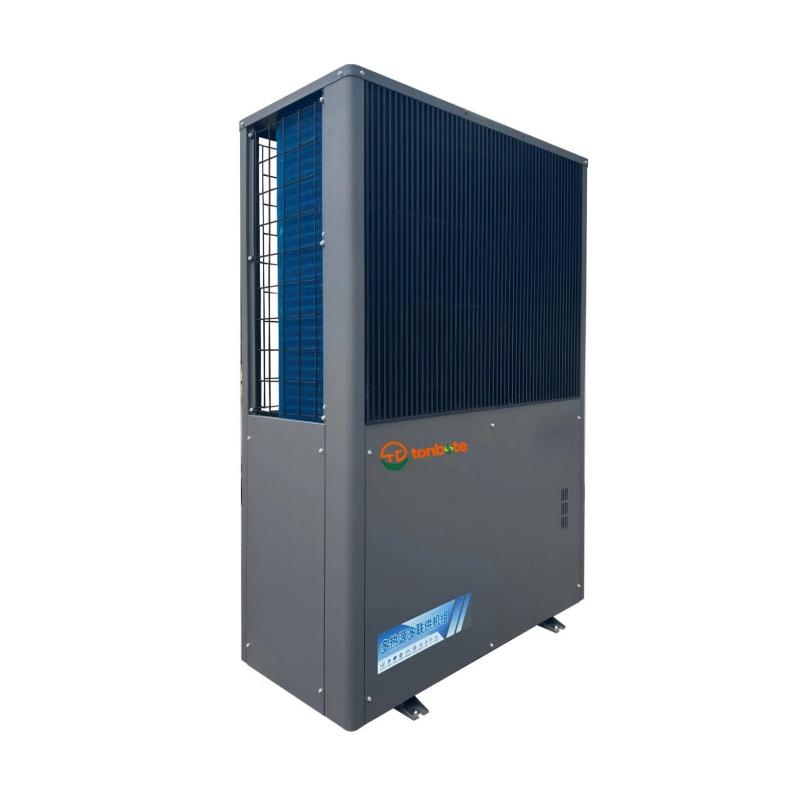
Most zoning systems still run on a schedule someone typed in months ago. They heat the dining room because it is 6 p.m. on a Tuesday, even if everyone is in the lounge. Occupancy-based zoning flips that. Sensors and live occupancy data decide where conditioned air goes, so the system follows actual movement instead of guessing from a clock.
The result is less wasted energy and fewer cold spots in rooms people actually use. When a meeting room fills up, airflow shifts within moments. When it empties, the zone dials back. There is no need to reprogram for holidays, daylight saving, or a team that suddenly changes its routine.
Guests and staff never have to override a thermostat to feel comfortable. The building responds to presence, not a preset pattern. It is a quieter kind of automation: one that adapts in the background and stops pretending every day looks the same.
Let Outdoor Air Do the Heavy Lifting with Smart Economizers
Smart economizers turn a building's ventilation system into an energy-saving ally by pulling in cool outdoor air whenever conditions allow. Instead of running compressors around the clock, the system compares indoor and outdoor temperatures—and often humidity—to decide when free cooling can replace mechanical cooling. That means on mild days, the chillers stay off while fresh air keeps the space comfortable.
The real advantage comes from the intelligent controls behind the economizer. Modern units monitor more than just temperature; they track enthalpy, CO₂ levels, and even local air quality to avoid bringing in damp or polluted air. If outdoor conditions shift quickly, the system reacts in seconds, blending return air or switching back to mechanical cooling without occupants noticing a thing.
Facilities that use smart economizers effectively see lower utility bills and reduced wear on HVAC equipment because compressors and fans run fewer hours. Over time, that translates into extended equipment life and fewer emergency repairs. And since the strategy relies on nature rather than refrigerants, it also lowers a building's carbon footprint without sacrificing comfort.
Capture Waste Heat from Chillers for Pool and Laundry
Most commercial chillers dump a staggering amount of heat into the atmosphere through cooling towers or condensers. That same thermal energy—often 120°F to 140°F—can be routed into a dedicated heat exchanger to preheat water for laundry operations, cutting natural gas or electric water heating demand by a meaningful margin.
Pools are an even better match. Chillers used for air conditioning or process cooling produce a continuous stream of low-grade heat. A desuperheater or plate-and-frame heat recovery system can capture that heat and send it to the pool loop, maintaining comfortable water temperatures without firing a boiler. In facilities with both a pool and commercial laundry, a shared buffer tank can smooth out the mismatch between chiller run times and hot water usage, making the system far more practical than piecemeal retrofits.
The real benefit isn't just energy savings—it's reliability. By using waste heat as the primary source, boilers become backup only, extending their service life and reducing peak gas loads. Payback periods often fall between 2 and 4 years when chillers run at least 1,500 hours annually, and some sites see even faster returns if they currently pay high electric or propane rates for water heating.
Variable Speed Retrofits: The Quiet Killer of Energy Waste
Variable speed retrofits often fly under the radar when facilities look for energy savings. Unlike lighting upgrades or insulation projects, these modifications don't produce a visible change. A pump or fan that keeps running at a fixed speed masks the problem entirely. The waste accumulates quietly in the background, month after month. Operators rarely notice because the equipment still performs its basic function, just with unnecessary overspeed during partial load conditions.
The real issue comes from how most HVAC and pumping systems were originally designed. Engineers sized them for peak demand plus a safety margin. Actual operating conditions rarely reach that peak, but the motors keep spinning at full throttle. Retrofitting with variable frequency drives lets the motor match output to real-time need. Without that adjustment, every hour of light loading bleeds away electricity that serves no purpose. The cost shows up as inflated utility bills that no one ties back to the lack of speed control.
Another quiet aspect is the accelerated wear on mechanical parts. Constant full-speed operation means throttling valves or dampers do the regulation. Those components fight against the system, creating pressure drops and friction. A variable speed retrofit reduces that strain, extending equipment life and lowering maintenance frequency. The savings aren't just about kilowatt-hours; they also come from fewer breakdowns and less downtime. Many building owners overlook this indirect benefit until a costly repair forces a closer look at how the motor has been running all along.
Use Predictive Fault Detection to Fix HVAC Before It Fails
Waiting for an HVAC unit to break down before calling a technician is like ignoring a slow leak until the ceiling caves in. Predictive fault detection flips that script. By continuously monitoring temperature deltas, compressor current draw, and refrigerant pressure, the system learns what normal operation looks like and flags subtle deviations long before they become hard failures. A unit that starts cycling more frequently or drawing slightly higher amps on a Tuesday afternoon might not trigger an alarm today, but the trend data reveals a failing capacitor or a clogged coil that will cause a shutdown next week. That heads-up lets maintenance teams swap parts during planned windows instead of scrambling at 2 a.m. on a holiday weekend.
The real power isn't just in catching faults early—it's in knowing which faults matter. A predictive model trained on historical service records can distinguish between a harmless voltage fluctuation and the early signature of a burned contactor. Instead of bombarding facility managers with alerts for every minor anomaly, the system ranks issues by probability of failure and estimated time to impact. This means a chiller that's slowly losing refrigerant gets scheduled for a top-up before it strains the compressor, while a rooftop unit with a slightly dirty filter gets a note to check during the next routine pass. No panic, no unnecessary truck rolls, just targeted action where it actually prevents unplanned downtime.
What makes this approach stick is how it layers into existing workflows. The predictive layer doesn't require ripping out the current BAS or installing a dozen new sensors. Most modern HVAC equipment already streams enough operational data—supply and return temps, run times, static pressure, vibration signatures—to feed a lightweight fault detection algorithm. Once the model learns each unit's baseline, it starts generating predictive work orders with specific remediation steps. A facility team can then bundle these with planned maintenance, reducing emergency calls by a meaningful margin and extending equipment life. Over a year, that translates to fewer tenant comfort complaints, lower energy waste from inefficient operation, and a capital plan that's driven by actual wear patterns rather than reactive guesswork.
FAQ
Every hotel has a unique mix of building layout, guest occupancy patterns, and local climate. A custom strategy starts with a detailed energy audit that pinpoints where your property actually wastes energy. For example, a beachfront resort may battle salt spray corrosion and humidity control, while a downtown business hotel deals with fluctuating loads from banquet halls and kitchens. Tailoring solutions to these specific pain points beats applying a generic checklist because it targets real, measurable inefficiencies instead of guesswork.
Use smart zoning and occupancy sensors to maintain comfort only where guests are present. In guest rooms, sensors can automatically adjust temperature by a few degrees when the room is empty, then return to the preferred setting before the guest comes back. In public areas, variable air volume systems respond to real-time occupancy. Variable frequency drives on fans and pumps let equipment run at partial speed instead of full blast. These small, nearly invisible adjustments add up to significant savings without anyone feeling a draft or a stuffy hallway.
Control system upgrades and variable frequency drives usually deliver the quickest returns. Replacing an old constant-speed fan motor with a VFD can cut fan energy use by 20 to 50 percent, with payback often within one to three years. Occupancy-based thermostats in guest rooms, economizers on rooftop units, and swapping outdated boilers for condensing models are also fast payback options. The key is to prioritize measures that reduce runtime or part-load energy waste without requiring major ductwork or structural changes.
Staff behavior is a silent energy drain that many hotels overlook. Housekeeping might crank the air conditioning to maximum while cleaning a room and then leave it running. Kitchen staff may prop open exterior doors for ventilation, forcing the HVAC system to work harder. Regular training that connects daily actions to energy costs helps employees understand why closing doors, reporting leaks, and sticking to reasonable temperature setpoints matter. Even a simple reward program for energy-conscious teams can cut waste by five to ten percent without spending a dollar on equipment.
Start with heat recovery before turning to solar panels or geothermal. Recover heat from kitchen exhaust hoods, laundry wastewater, or chiller condensers and use it to preheat domestic hot water. That alone can slash water heating costs significantly. For properties with available roof space, solar thermal collectors can supplement space heating or hot water in sunny climates. Ground-source heat pumps are a larger investment but work well for new builds or major renovations. The rule of thumb is to optimize the existing system first, because adding renewables to an inefficient system wastes both energy and capital.
A frequent error is installing new high-efficiency equipment but leaving the old control sequences in place, which erases much of the savings. Another mistake is skipping preventive maintenance, causing new equipment to degrade quickly. Some hotels jump straight to a big chiller replacement without sealing duct leaks or improving insulation first, so the new system still overworks. Also, imposing a blanket temperature policy that ignores guest preferences can trigger complaints and thermostat tampering. Success comes from auditing first, piloting changes in one wing, and adjusting based on real data rather than assuming one fix fits all.
Aim for a full audit every two to three years, or sooner if utility bills spike unexpectedly. The process includes reviewing equipment run schedules, measuring air and water flow rates, checking temperature setpoints, testing duct leakage and pipe insulation, and examining maintenance logs for neglected filters or coils. The auditor should also interview staff about comfort complaints and operational quirks. The final report should list improvement opportunities in priority order, with estimated costs, savings, and payback periods, so you can make decisions without guesswork.
Yes, but only if they are properly configured and maintained. Smart thermostats can learn occupancy patterns and automatically pre-cool or pre-heat rooms just before arrival, then deeply setback temperatures during long vacancies. A building automation system coordinates multiple subsystems, such as raising chilled water setpoints when outdoor temperatures drop or reducing ventilation in empty conference rooms. Real-world deployments often reduce HVAC energy use by 15 to 25 percent. The catch is that sensors must be calibrated regularly and someone on staff needs to review the data, otherwise the system just becomes an expensive timer.
Conclusion
Hotels often bleed money through HVAC systems that treat every square foot the same, but custom strategies flip that script. Rather than cooling empty corridors to the same setpoint as occupied guest rooms, smart properties relax hallway temperatures and let the building breathe where it can. Occupancy-based zoning takes this further: sensors track where guests actually are, so a conference room that clears out at 5 p.m. stops gulping conditioned air while the lobby ramps up for check-in rush. Economizers add another layer—when outdoor air is cool and dry, it becomes free cooling, cutting compressor runtime without anyone noticing a draft. These moves aren’t just about turning dials; they’re about matching energy use to real demand, not a fixed schedule.
Beyond zoning and ventilation, the biggest wins come from reclaiming what’s already paid for. Chillers throw off huge amounts of heat that can preheat pool water or laundry cycles, trimming boiler load year-round. Retrofitting fans and pumps with variable speed drives eliminates the constant hum of full-blast operation—equipment only pushes as hard as the current load requires. Meanwhile, predictive fault detection watches refrigerant pressures, airflow, and sensor drift, flagging a failing compressor or clogged coil before it wastes a week’s worth of kilowatt-hours. Together, these custom tweaks turn a hotel’s HVAC from a silent utility drain into a tuned system that protects both comfort and the bottom line.
Contact Us
Contact Person: Wanshu Chen
Email: [email protected]
Tel/WhatsApp: +86-13662871206
Website: https://www.mbcee.com