

Best Quality Tissue Converting Line: Key Features for Superior Output
2026-10-14
Ask any tissue converter what separates a profitable week from a frustrating one, and you’ll hear the same themes: folding accuracy, embossing clarity, tension stability, and speed that doesn’t sacrifice softness. But listing features is easy. Building a line where they work as one is hard. DAXIN takes the hard path. Here’s what that looks like on the production floor — and why it translates directly to superior output.
Slitting Geometry That Keeps Edges Smooth on Every Ply
Most slitting problems start with the wrong entry angle. When the blade hits the top ply, a steep rake often compresses the fibers before it cuts, leaving a rolled edge that gets worse on each layer below. A modified shear geometry with a shallow, curved bevel spreads the contact point over a longer travel, so the knife slices through the first ply instead of driving into it. That change alone removes the micro-tears that later show up as fuzzy edges.
The clearance angle matters just as much once the cut is underway. If the relief face rubs against the freshly cut edge, it drags loose fibers out of the lower plies and creates a ragged finish. By matching the relief angle to the material stack height and keeping the blade overlap minimal, each layer is severed cleanly without the side pressure that causes delamination at the edge.
On thicker stacks or coated materials, a small tip radius combined with a negative back rake can make the difference. This geometry pushes the cut line slightly ahead of the blade body, which supports the top plies and prevents them from lifting. The result is the same smooth, straight edge on the bottom sheet as on the top, with no need for a secondary trimming pass.
Embossing Rolls That Won't Crush the Sheet
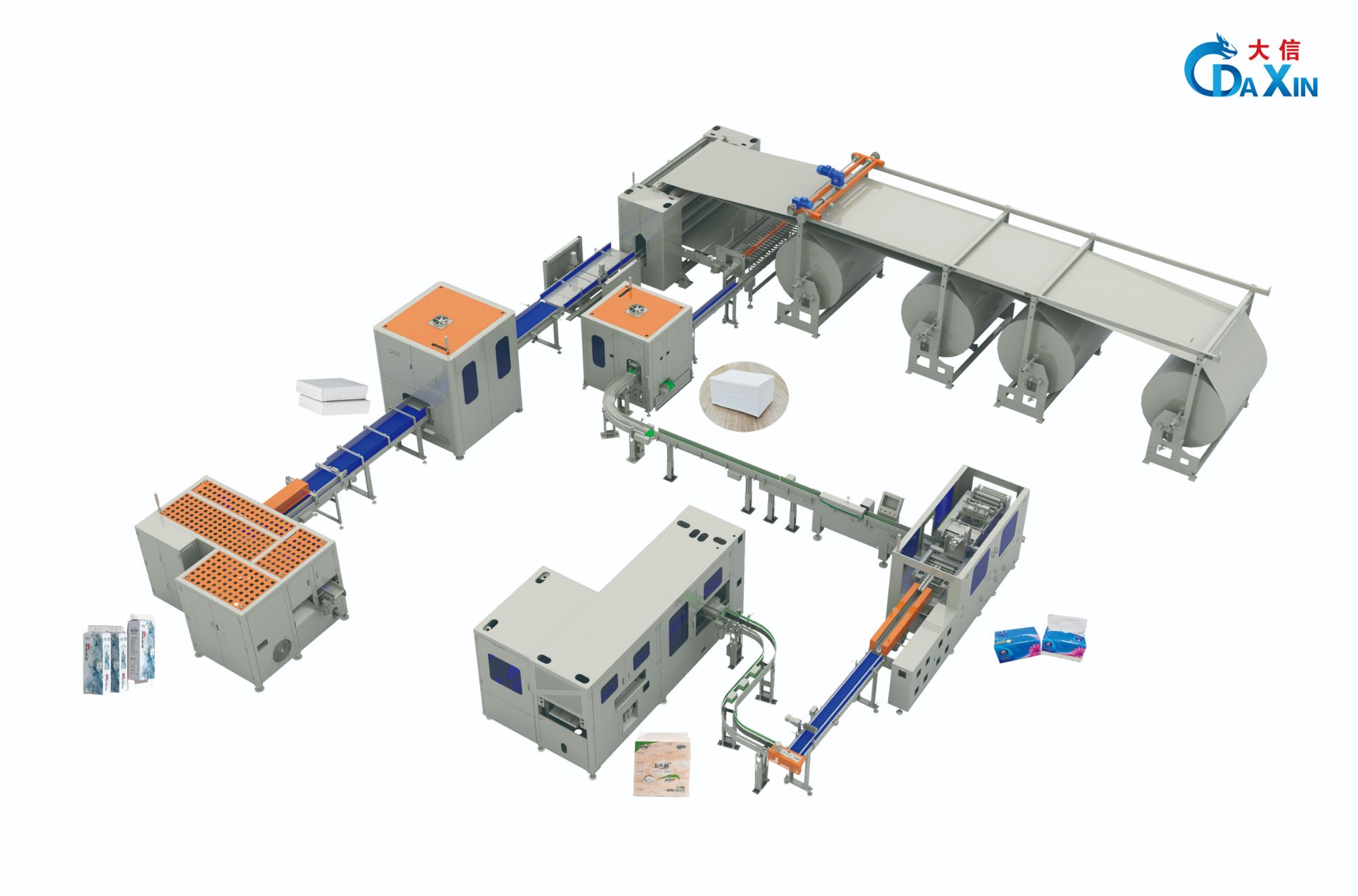
The core problem with standard embossing rolls is the point load they apply through the pattern peaks. Once the sheet drops below a certain caliper, those peaks act like tiny anvils, collapsing the fiber structure instead of reshaping it. The fix starts with a controlled-deflection roll body that distributes force along the entire nip width, so no single zone carries more than the sheet can handle.
A softer counter roll alone won't save you; if the pattern side still has rigid crowns, you'll get shadow crushing at the edges. That's why the best designs pair a precision-ground steel embossing roll with a proprietary cover on the backing roll, tuned to the sheet's compression modulus. The cover absorbs the excess pressure around each pattern element while the steel keeps the emboss detail crisp.
On thinner substrates, even that may not be enough. Some mills now use micro-blaster texturing on the roll surface to create a series of relief channels that let trapped air escape before the nip. This prevents the sheet from buckling into the pattern cavities and being pinched at the land areas. The result is a deep, consistent emboss without the telltale thinning or fiber breaks.
Winding Tension Maps for Tighter, Rounder Logs
Winding tension maps aren't just setpoint lists—they define how web tension should drop or shift as diameter increases and as you move across the face. For most film, paper, and nonwoven lines, a useful map starts with a baseline tension at the core, then applies a controlled taper of 10–40% by the time the roll reaches final diameter. The cross-machine profile matters just as much: edge zones often need slightly lower tension to prevent hard shoulders, while the center may carry a bit more load to keep the roll from going soft in the middle.
The payoff shows up in roundness and density. When tension is too flat, the outer layers pull harder than the inner layers can support, leading to starring, telescoping, or dishing. A well-built map compensates for core deflection and caliper variation by scheduling nip or rider roll pressure alongside web tension. Think of it as feeding the roll a tension diet that matches its growing radius—this keeps the radial pressure curve from spiking at the core or dropping off near the outside.
To build your own map, start with a hardness profile across the finished roll. Mark soft bands and dense rings, then adjust the corresponding tension zones on the next run. Log the results per product, width, and core type. After three to five iterations, most lines land on a repeatable map that cuts waste from out-of-round rolls and improves converting speed downstream.
Splice Detection That Triggers Before the Break
Most splice failures don't start with a sudden snap. They begin as subtle shifts in strand alignment, tiny gaps between the rope and the splice, or a gradual loss of tension that's easy to miss during routine checks. This detection method watches those early signs instead of waiting for visible damage. By continuously comparing the splice's response under load to a known baseline, it can flag a developing weakness long before the material reaches its breaking point.
The trigger logic is built around pre-break indicators rather than post-failure alarms. As the splice begins to lose structural integrity, the system picks up micro-elongation, uneven load distribution, or changes in damping characteristics. Once those readings cross a threshold tied to the specific rope type and splice design, an alert is issued. That gives crews enough time to reduce tension, swap out the section, or schedule a proper repair instead of dealing with a sudden release of energy.
In practice, this means the warning arrives while the splice is still holding, not after it has let go. The goal isn't just to detect a broken splice; it's to prevent the break from happening in the first place. By acting on that early signal, operators avoid the downtime, safety risks, and collateral damage that come with an unexpected failure.
Dust Extraction Placement That Protects the Converting Zone
The placement of dust extraction points around a converting zone is rarely given the attention it deserves, yet it can make or break both product quality and machine uptime. If the pickup is too close to a slitting or die-cutting nip, the airflow can tug at the web, causing edge flutter or misregistration. If it's too far away, fines and trim dust linger and settle back onto freshly cut edges or adhesive surfaces. The goal is to position extraction so it captures debris at the source without creating turbulence across the critical gap where the tool meets the material.
A practical approach is to look at the natural throw direction of dust from the converting element. For example, on a rotary die cutter, the dust cloud tends to follow the anvil roll rotation and exit slightly downstream of the cut point. Placing a low-profile extraction hood there, angled away from the nip, pulls the particles along their existing trajectory instead of fighting it. Adding a small adjustable deflector plate lets operators fine-tune the capture zone without altering the main vacuum line, which reduces the chance of starving the converting zone of the stable air layer that keeps thin films and papers tracking true.
Over time, even well-placed extraction loses effectiveness if filters clog or flexible ducts develop small leaks. A drop in suction at one hood often shifts the airflow pattern elsewhere, drawing dust back toward the very area you are trying to protect. Routine checks with a simple magnehelic gauge or a visual telltale such as a strip of lightweight ribbon near the hood can reveal flow reversals before they cause defects. Keeping each extraction point balanced and unobstructed is what ultimately preserves the clean, undisturbed environment that the converting zone needs to run repeatably.
Recipe-Driven Changeovers That Cut Downtime in Half
Production lines often bleed time during changeovers because operators rely on memory, worn-out notes, or verbal handoffs. Recipe-driven changeovers replace that guesswork with a structured sequence: every parameter—from mixer speed and temperature to fill weights and label settings—is stored digitally and called up by name or SKU. The machine configures itself automatically, and the operator just confirms the recipe on screen instead of hunting for the right knob or manual.
This approach shaves minutes off each switch because the system enforces consistency. No more dialing in a setting only to realize it was meant for a different product variant. The recipe includes staged prompts, so the line progresses through purge, setup, and first-article checks in a logical order. Teams that used to spend forty-five minutes changing from one sauce to another now finish in under twenty, mainly because they stopped re-discovering the same settings every shift.
Cutting downtime in half isn't about rushing operators—it's about removing the idle decisions. Recipe-driven changeovers let you treat every product switch like a repeatable procedure, not a fresh problem. The saved time compounds across multiple runs per day, freeing up capacity for more batches or shorter lead times without adding headcount or new equipment.
FAQ
The short answer is precision in every stage. Premium lines use closed-loop tension control, servo-driven embossing, and high-accuracy folding units. These features keep the sheet stable from unwind to finished log, preventing wrinkles, misalignment, or uneven bulk that ruin the final product.
Prioritize quick-change embossing rolls, tool-less knife adjustments, and automated core feeding. Lines with recipe management and servo positioning can shift between sheet counts, roll diameters, or fold types in minutes instead of hours, and that directly improves overall equipment effectiveness.
Embossing is where the product gets its visual appeal, softness, and bulk. A well-built unit with synchronized steel and rubber rolls, precise pressure control, and accurate registration creates crisp, repeatable patterns without tearing or weakening the sheet. Cheap or poorly aligned embossing often shows up as fuzzy edges or inconsistent ply bonding.
Yes, especially if you are running at high speeds. Camera-based inspection and missing-tissue sensors catch splices, holes, or lamination defects before they turn into customer complaints. The best systems not only reject defective logs but also record data by lane so operators can trace problems back to a specific unwind position or knife.
Many modern lines can, provided they include flexible folding units, interchangeable embossing patterns, and adjustable sheet length control. The trade-off is changeover time and complexity; dedicated lines often run faster, but a well-designed multi-purpose line with servo-driven adjustments gives smaller producers the versatility they need without sacrificing too much output.
Tension control is one of the most overlooked but critical variables. If the sheet is too loose, you get wrinkles, telescoping, or air pockets in the log. Too tight, and the sheet stretches or breaks. A good converting line maintains consistent web tension through dancer rolls, load cells, and drive synchronization, which keeps each layer flat and evenly wound.
Blades are a small part but have a huge impact. Orbital or shear-cut systems with hardened edges and automatic sharpening produce clean, perpendicular cuts without crushing the paper. Poor knife setup leads to fuzzy ends, ragged perforations, or uneven roll width, which is immediately visible on retail shelves.
Focus on scheduled lubrication of bearings and gears, regular inspection of belts and timing chains, and verifying knife and embossing roll alignment. Many top performers also track vibration and temperature data from critical components, allowing them to replace parts before they cause unplanned stops. Skipping these basics can reduce line speed or compromise cut quality even with high-end equipment.
Conclusion
A truly superior tissue converting line starts with precision in the slitting geometry. When every ply is cut with a carefully engineered angle and blade setup, the edges remain smooth and free from micro-tears that often lead to dust or web breaks. This attention to the cutting zone is paired with embossing rolls designed to apply pattern depth without crushing the sheet's bulk, preserving softness and caliper. Together, these two features ensure the base sheet is handled gently even at high speeds, which is essential for maintaining the tactile quality consumers expect from premium tissue products.
Beyond the converting zone itself, winding tension maps play a critical role in producing tighter, rounder logs that unwind evenly on the packaging line. Real-time splice detection that triggers before an actual break prevents downtime and waste, while dust extraction placement keeps the most sensitive areas free from airborne particles that could contaminate the product or damage equipment. Finally, recipe-driven changeovers allow operators to switch between different tissue grades, ply counts, or embossing patterns in a fraction of the usual time. This combination of mechanical precision, proactive monitoring, and smart automation defines what makes a best-quality tissue converting line deliver consistently superior output with minimal operator intervention.
Contact Us
Contact Person: Sam Xie
Email: [email protected]
Tel/WhatsApp: 86-18938538530
Website: https://www.daxin321.com/